Mission 300 Fellowship
Nearly 600 million people in Sub-Saharan Africa lack reliable access to electricity. The Mission 300 Fellowship enables high-caliber African energy professionals to provide support to local government energy ministries to advance Mission 300 — an initiative led by the World Bank, the African Development Bank, and their consortium of partners, to deliver electricity to 300 million people across Sub-Saharan Africa by 2030.
The Mission 300 Fellowship is supported by The Rockefeller Foundation’s affiliated public charity, RF Catalytic Capital, and Energy Corps.
Jump to BiosThe next generation of African energy leadership
Out of 3,000 applications from nearly every African country, Fellows have been deployed thus far to Botswana, Burundi, Chad, Côte d’Ivoire, Lesotho, Liberia, Madagascar, Malawi, Mauritania, Mozambique, Niger, Nigeria, Republic of Congo, Senegal, Sierra Leone, and Zambia. Engagements with additional governments are in development.

Meet the Fellows
Accelerating Mission 300 Goals
Over the course of a two-year Fellowship, Fellows play a pivotal role in advancing Mission 300 efforts across countries by contributing to priority initiatives and developing and executing programs to support energy access. Navigating complex institutional environments, Fellows represent the first professional capacity on the ground in government Compact Delivery and Monitoring Units (CDMUs) — enabling more effective, coordinated, resilient delivery systems.
Cohort Structure
In addition to gaining professional expertise as the next generation of energy leadership, Mission 300 Fellows benefit from peer learning and knowledge exchange. They are building a powerful community of practice within the energy sector and a network that will support them throughout their careers.
Expansion to Clean Cooking Fellows
One billion people in Africa rely on traditional fuels such as wood and charcoal, increasing household air pollution and associated health risks. In response, the initial Fellowship cohort was expanded to include four Clean Cooking Fellows, three of whom have deployed to strengthen institutional capacity to develop investable project pipelines.
Deployed across the continent
Meet experts working to connect millions to electricity.
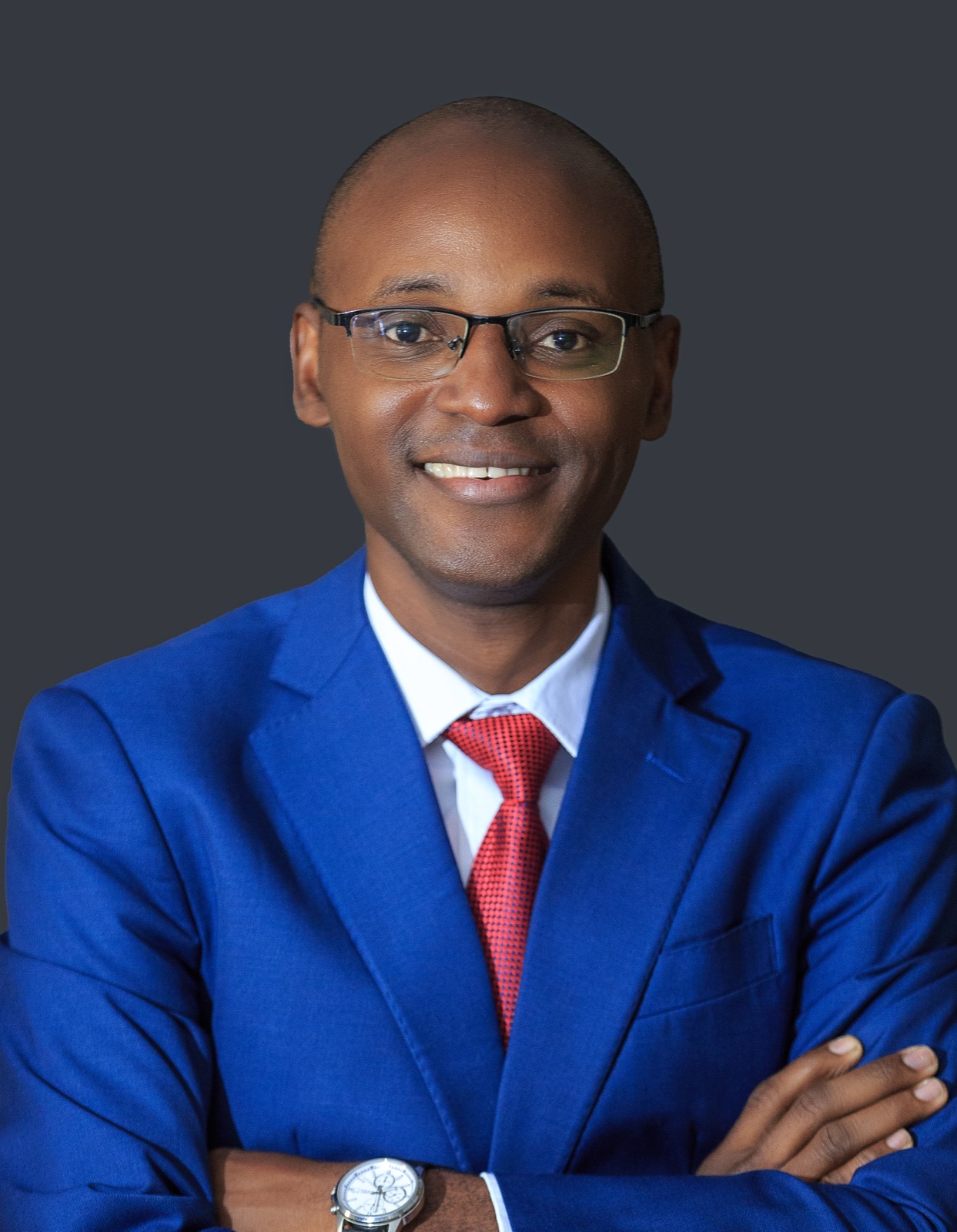 Desire Wade Atchike, Ph.D.
Burundi · Ministry of Energy
Desire Wade Atchike, Ph.D., is a CoAction Global Mission 300 Fellow deployed to Burundi’s Ministry of Energy, where he supports strategic planning, regulatory and licensing reforms, implementation, monitoring and evaluation of the National Energy Compact, and the development of investment frameworks to mobilize private capital and strengthen regional power trade.
Originally from Benin, Desire is an energy specialist in power sector analytics, sustainable energy access, and infrastructure project management across Sub-Saharan Africa and China. He brings together policy, finance and practice to design bankable energy solutions that accelerate Africa’s transition toward commercially viable, locally driven, power and clean cooking markets.
Previously, Desire served as a Renewable Energy Researcher and Lecturer at Taizhou University in China, where he focused on renewable energy policy, financing, and sector reform in developing countries. In this role, he published more than 15 peer‑reviewed articles and collaborated with universities, research institutions, and international partners on sustainable energy research. He also led the Sino‑Foreign Cooperation Program team, securing research funding, reviewing journal articles, and delivering project management training informed by practical monitoring and evaluation experience.
Desire holds a Ph.D. in Engineering Project Management from North China Electric Power University in Beijing, and a master’s degree in Civil Engineering with a specialization in water science, from the Polytechnic School of Université d’Abomey-Calavi in Benin. He was recognized by Taizhou University with the First Class Innovative Project Management Course award. He also serves in volunteer leadership roles supporting science diplomacy, capacity building, and renewable energy project development.
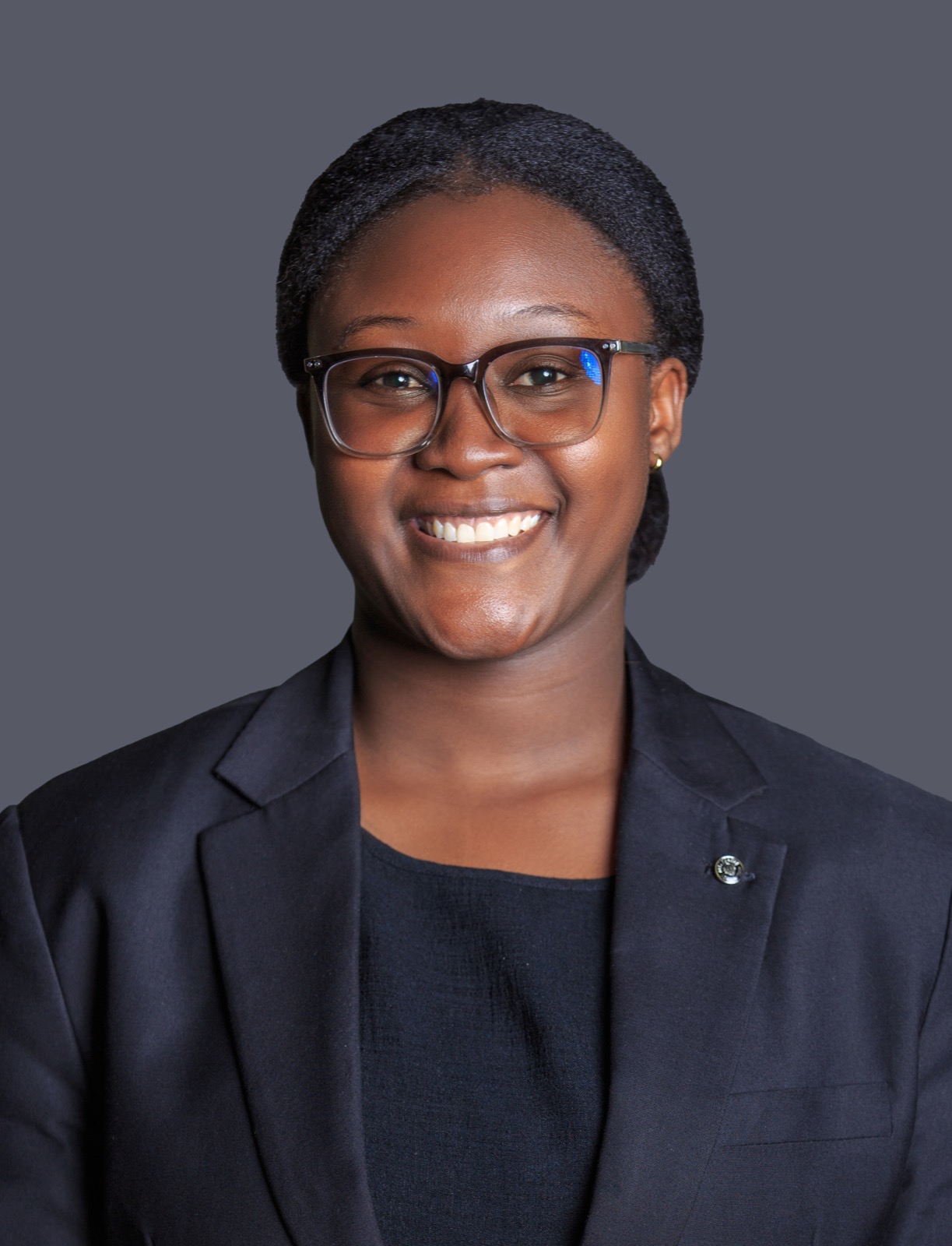 Myriam Yasmine Baguignan
Senegal · Ministry of Energy
Myriam Yasmine Baguignan is a CoAction Global Mission 300 Fellow working in the Ministry of Energy in Senegal. She supports the implementation of Senegal's National Energy Compact by working to identify and develop investable clean cooking project pipelines, conducting market diagnostics, and strengthening the monitoring and reporting systems of the Compact Delivery and Monitoring Unit.
With a background spanning clean cooking, bioenergy, renewable energy, and rural electrification, Myriam Yasmine has built her career at the intersection of field implementation, applied research, and energy policy. Previously, she worked on the development, field testing and commercial viability of clean cooking and bioenergy technologies based on agro-industrial waste valorization, including collecting and analyzing performance data and producing technical and socio-economic assessments used to inform regional public policy and investment priorities. She has supported small and medium enterprises on energy efficiency, process optimization, and waste management. Earlier in her career, she conducted feasibility studies and developed technical and financial proposals for renewable energy projects aligned with national energy access priorities.
Myriam Yasmine holds a master’s degree in Electrical and Energy Engineering from the Institut International de l'Eau et de l'Environnement (2iE) in Burkina Faso and is completing a PhD in Energy Studies on biomass waste valorization at the Institut National Polytechnique Félix Houphouët-Boigny (INP-HB) in Côte d'Ivoire. She is an alumna of the Open Africa Power programme of Sustainable Energy for All and the Enel Foundation, through which she strengthened her perspective on clean cooking transitions, sustainable energy systems, and energy policy in Africa.
Originally from Burkina Faso, Myriam Yasmine spent her early years without electricity and cooking over open fire before moving to Ouagadougou, where access to energy opened up new possibilities. She believes that experience should not be a matter of luck or geography, but a right. That conviction is what draws her to Mission 300 and to the work of making clean cooking and affordable energy a reality for every household across Africa.
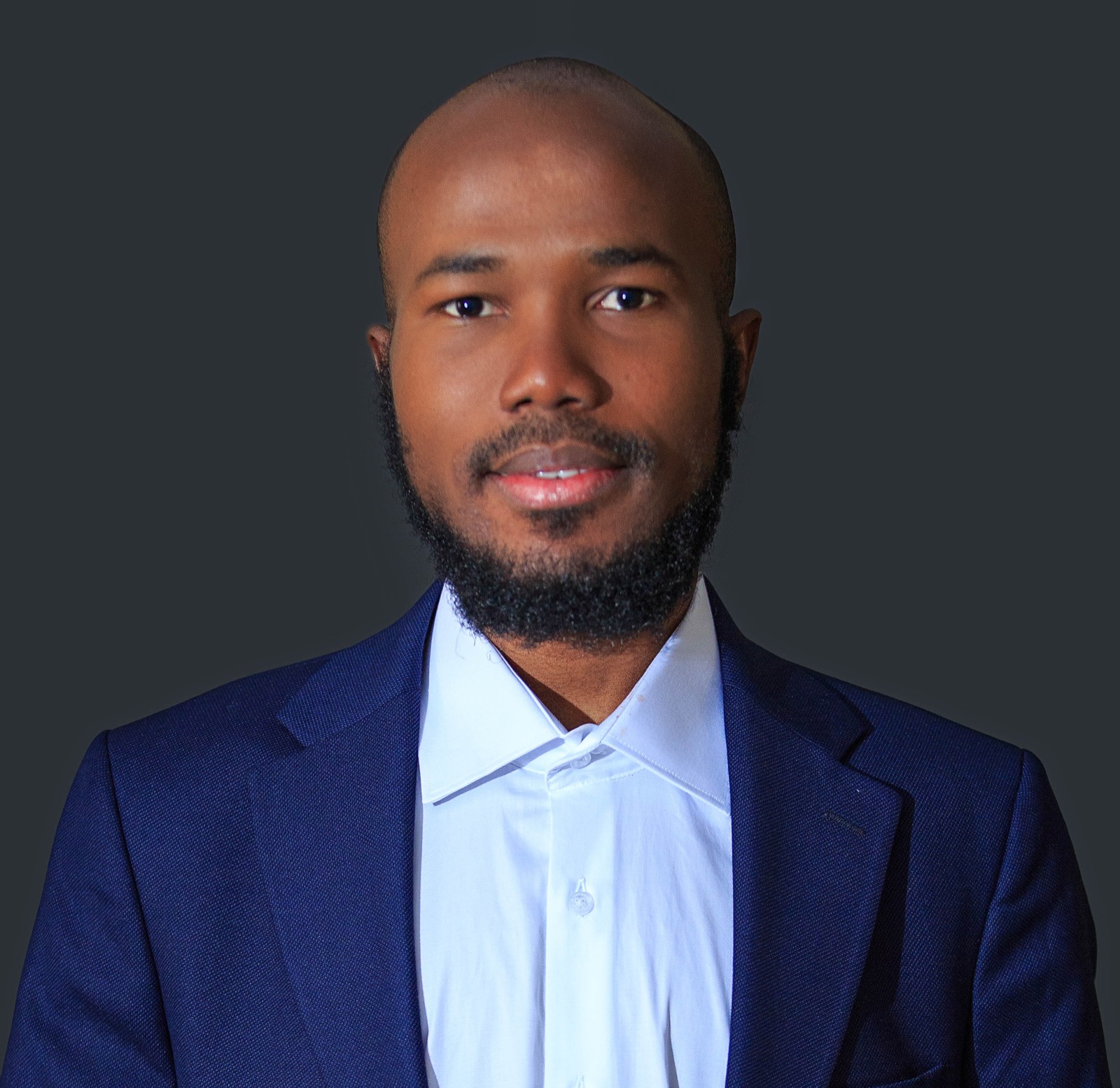 Moyablé Bah
Senegal · Ministry of Energy and Petroleum
Moyablé Bah is a CoAction Global Mission 300 Fellow deployed to Senegal’s Ministry of Energy and Petroleum. Working within the Directorate of Planning, Studies and Monitoring and Evaluation, he works on improving the quality, consistency, and use of electrification data so the government and its partners can make better-informed decisions related to energy access and sector planning. His role contributes to strengthening how progress is measured and how priorities are identified, especially for underserved communities.
Originally from Côte d'Ivoire, previously, Moyablé served as a Financial Analyst at the General Directorate of the State Portfolio, a government entity under Côte d’Ivoire’s Ministry of Finance and Budget. He worked on budgeting, forecasting, financial performance analysis, and strategic advice for public sector decision-making. Earlier in his career, he contributed to monitoring and evaluation work in the agricultural sector, analyzed customs revenue performance using quantitative methods, and conducted academic research on gender and education.
Moyablé holds a master’s degree in statistics, economics, econometrics, and data analysis from the National School of Statistics and Applied Economics (ENSEA) in Côte d'Ivoire. He also holds certifications in Green Fiscal Policy and Cities and Climate Change from the One UN Climate Change Learning Partnership (UN CC:Learn), a United Nations-supported learning initiative that provides training on climate change, green economy, and sustainable development.
He is particularly interested in strengthening public institutions through better data systems and evidence-based decision-making, especially in sectors that directly affect livelihoods and economic opportunity.
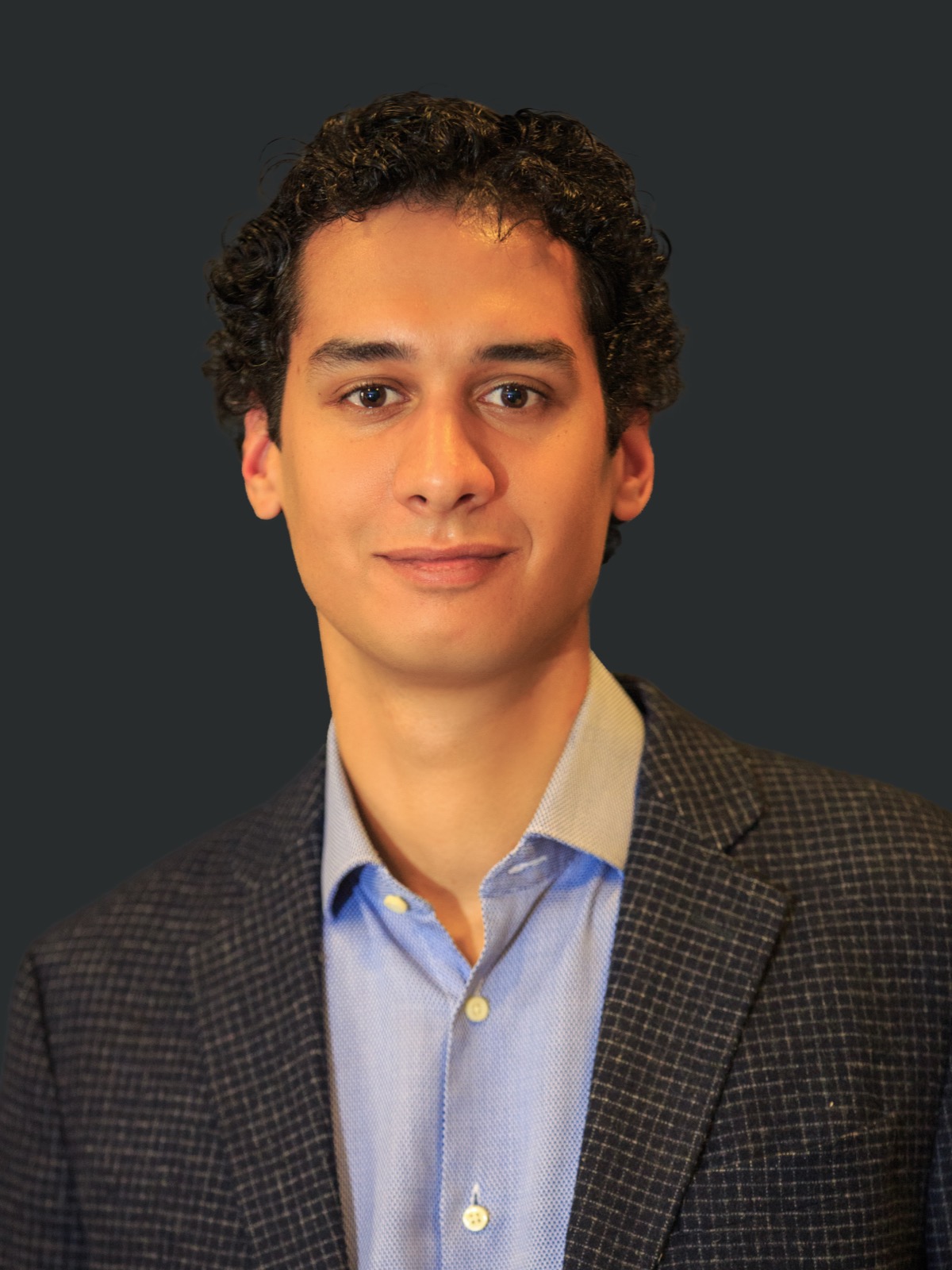 Youssef Ben Henda
Republic of the Congo · Ministry of Energy and Hydraulics
Youssef Ben Henda is a CoAction Global Mission 300 Fellow deployed to the Republic of the Congo’s Ministry of Energy and Hydraulics, where he supports the operationalization of the Compact Delivery and Monitoring Unit and the implementation of the country’s National Energy Compact objectives. In this role, he contributes to institutional coordination, strategic follow-up, partner engagement, and the alignment of implementation efforts with the government’s evolving priorities.
Originally from France, Morocco and Tunisia, Youssef is an environmental policy professional with a background spanning external relations, energy, and agriculture. He brings together policy analysis, institutional engagement, and implementation support to help public institutions translate ambitious commitments into practical delivery and actionable reforms.
Previously, Youssef served as a trainee at the European Food Safety Authority’s Brussels Liaison Office, where he supported external relations, scientific diplomacy, political analysis and institutional representation with key European stakeholders. He also worked as a research assistant on projects exploring the links between farmers’ well-being and environmental management. This included solutions such as agrivoltaics, an approach which integrates solar panels above or between crops, pastures, or livestock and enables farmers to diversify their income sources by becoming independent power producers while strengthening their energy autonomy.
Youssef Ben Henda holds a master’s degree in environmental policy from the Sciences Po Paris School of International Affairs, a bachelor’s degree in international studies from Sorbonne Nouvelle University, and a double bachelor’s degree in history and geography from Sorbonne University. He is also a laureate of the Institute of Engagement, a French organization that promotes civic commitments and helps youth define their academic or career paths, in recognition of his volunteerism with education non-profits.
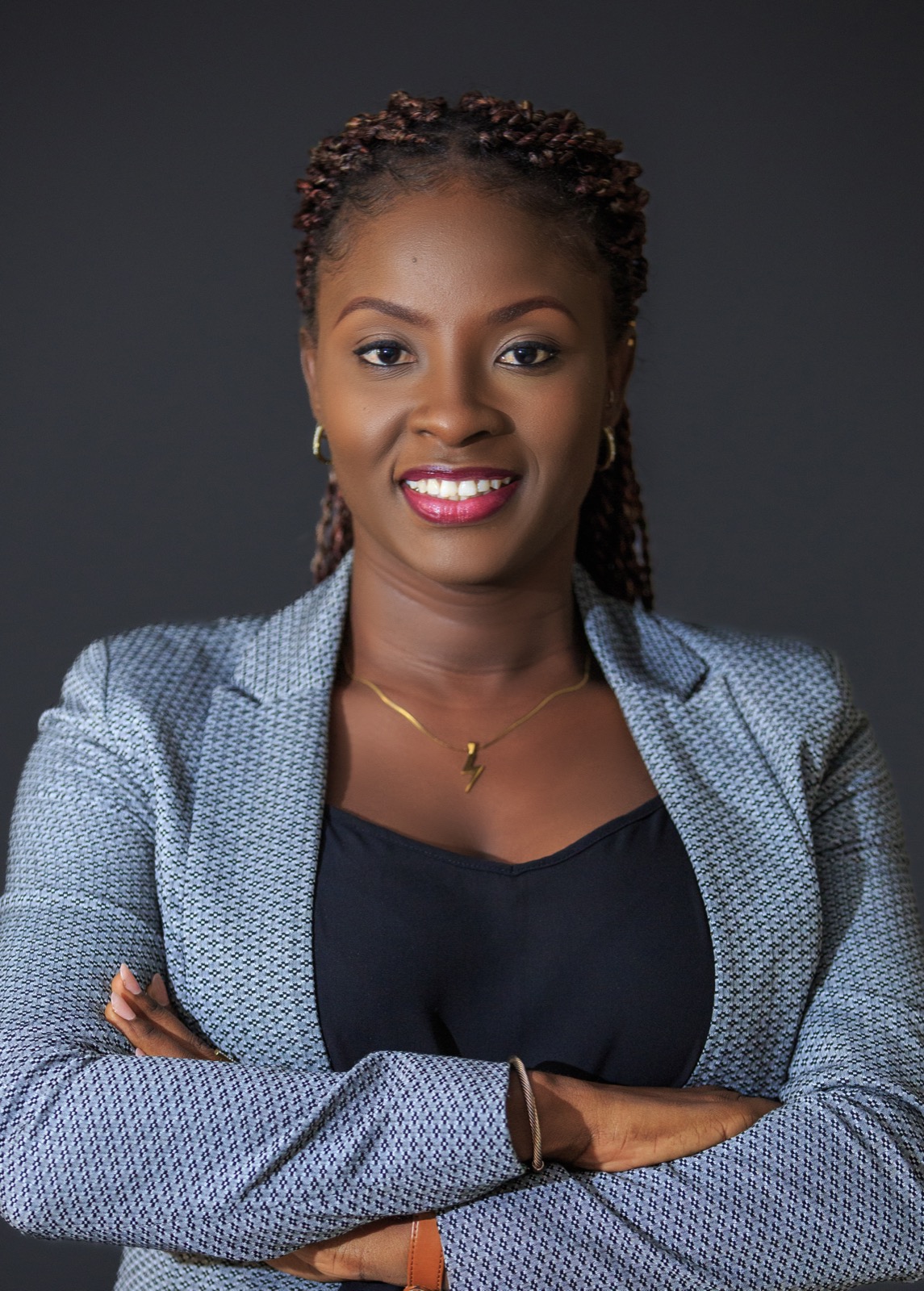 Rinret Best
Zambia · Ministry of Energy
Rinret Anthony Best is a CoAction Global Mission 300 Fellow deployed to Zambia’s Ministry of Energy. A Nigerian native, she is committed to advancing the energy sector while championing the meaningful participation of youth and women in the transition, driven by a passion to address the under-representation of women in energy leadership. Combining technical expertise with strategic vision, she brings a track record at the intersection of energy policy, technology and market implementation.
Previously, Rinret served as Programme Director at Vectar Energy, a climate technology venture enabling scalable climate finance for distributed solar markets, leading developer onboarding, strategic partnerships and project execution. She facilitated connections between local clean energy developers and global investors, accelerating renewable energy adoption in Nigeria and other emerging markets. Rinret played a central leadership role in the ecoWise Carbon Credit Programme, overseeing end-to-end project coordination with mini-grid developers. She has been instrumental in convening high-level forums, including the ecoWise Multi-Stakeholder Forum (Abuja, October 2025) and the ecoWise Summit London 2026, designed to catalyze deployable climate capital for energy access through strategic partnerships and market-building dialogue.
As the Head of Sustainability and Energy Research at Meyana Energy, a biogas company, she led research, policy analysis and project implementation on clean energy and circular economy solutions. She has contributed to impactful initiatives such as the ENHANCE Ikosi Lagos Biogas Project and the ECOSMART Biogas Project in Ogun, supporting waste-to-energy innovations for clean cooking and decentralized energy access. Her expertise spans market intelligence, regulatory analysis, and evidence-based strategy development to inform investment and policy decisions.
Rinret founded social impact NGO ZiRA Green Futures Initiative, focused on advancing clean cooking solutions, climate education and women-led energy transitions in underserved communities. She champions initiatives that bridge energy access, gender equity and climate resilience in unserved and underserved communities.
Rinret holds a BSc in Microbiology from the University of Jos in Nigeria, and an MSc in Environmental Sustainability and Green Technology from Keele University in the UK, and has authored research on Nigeria’s energy transition. She is an alumna of the Open Africa Power Program 2023, a collaborative initiative by Enel Foundation and Sustainable Energy for All to empower women and youth in Africa’s energy transition. She is also a recipient of the African School of Regulation scholarship for the Power Sector Regulation in Africa course.
Rinret is recognized for her ability to translate complex policy and technical challenges into actionable solutions, build partnerships that unlock investments and lead initiatives that expand energy access. Her work is driven by a clear mission; to accelerate sustainable energy systems, empower communities and build human capital needed for a just and inclusive energy transition.
 Gwladys Boukpessi
Nigeria · Federal Ministry of Power and Federal Ministry of Finance
Gwladys Boukpessi is a CoAction Global Mission 300 Fellow in Nigeria, where she serves as the Clean Cooking Pillar Lead within the Compact Delivery and Monitoring Unit (CDMU), embedded in both the Federal Ministry of Power and the Federal Ministry of Finance. In this role, she supports the CDMU in translating policy commitments into actionable programs, strengthening stakeholder coordination, tracking implementation progress, and mobilizing the partnerships and investment required to achieve universal access to clean cooking by 2030.
Originally from Lomé, Togo, Gwladys is an energy and international development professional with experience spanning climate policy, sustainable energy, economic development, and environmental management. Prior to becoming a Mission 300 Fellow, she worked with a range of international organizations, including the Intergovernmental Group of Twenty-Four (G-24), the World Bank, the Clean Air Task Force, and CGIAR (formerly the Consultative Group for International Agricultural Research). Across these roles, she contributed to research, policy analysis, and program implementation related to climate finance, energy transitions, poverty reduction, and environmental resilience. Her experience includes conducting quantitative research, coordinating high-level stakeholder engagements, and developing analytical tools to inform policy and investment decisions across developing countries.
Gwladys holds a Master of Global Human Development from Georgetown University’s Walsh School of Foreign Service, with a specialization in quantitative analysis and evaluation, and a Certificate in African Studies. She also earned a Bachelor of Science in Environmental Engineering from Lehigh University, with a minor in Sustainable Development.
Passionate about Africa’s long-term development and prosperity, Gwladys is committed to advancing locally-led solutions that expand economic opportunity, strengthen institutions, and improve quality of life across the continent. Through her work, she seeks to support sustainable and inclusive development pathways that enable African countries to achieve their own development ambitions while advancing a just and equitable energy transition.
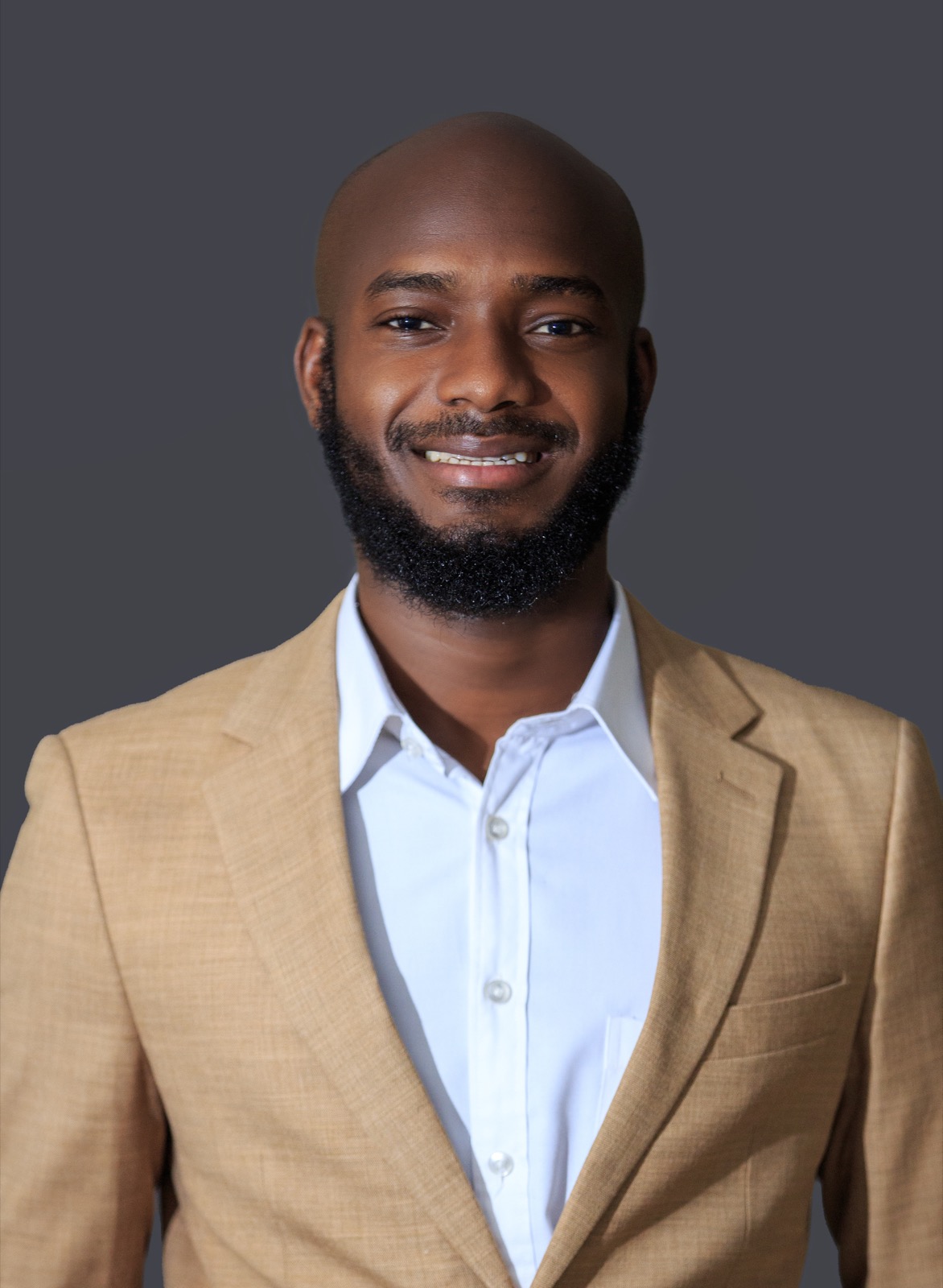 Adamou Boubacar Amadou
Côte d’Ivoire · Ministry of Planning and Development
Adamou Boubacar Amadou is a CoAction Global Mission 300 Fellow deployed to Côte d'Ivoire’s Ministry of Planning and Development. He supports the Ivorian government in delivering on the country’s National Energy Compact under Mission 300. He provides technical support on reform delivery, contributes to policy initiatives and briefing documents, and helps coordinate engagement among Mission 300 partners including the World Bank, African American Development Bank, The Rockefeller Foundation and Sustainable Energy for All. He also supports cross-ministerial efforts on the Ivorian National Development Plan and works to bring productive uses of energy into compact implementation.
Born and raised in Niamey, Niger, Adamou’s areas of expertise include policy design, digital public infrastructure, and energy governance. He brings to the Mission 300 Fellowship both a private-sector background and a research grounding in energy governance and digital public infrastructure for inclusive development, with prior engagements on West African security and economic development through international policy dialogues.
Previously, he worked with Canal+ International in Dakar, Senegal, where he led digital product expansion strategy across Francophone Africa and the French overseas territories as a product marketing manager. He began his career with Catholic Relief Services’ West Africa Regional Office. From Kigali, Rwanda, he supported the Burkina Faso Country Office in business development roles, from proposal writing to budget notes.
Adamou served as a TechForward Policy Fellow with the Africa Centre for Digital Transformation, an AI Ethics Fellow with Code for Africa, part of the Digitalise Youth Project, focused on digital governance, policy and rights in Africa. As a participant in the United Nations 63rd Graduate Study Programme in Geneva, he co-authored a paper on global governance of emerging technologies. He serves on the Youth Advisory Group of Solutions for Youth Employment (S4YE), a multi-stakeholder coalition hosted by the World Bank Group. He was one of 100 young climate champions from around the world awarded a “Green Ticket” to attend the first United Nations Youth Climate Summit in New York in 2019. During the COVID-19 pandemic in 2020, the World Bank Blog4Dev annual writing competition for Sub-Saharan citizens named him a winner for Niger.
Adamou holds a Master of Science in Public Policy from the University of Bristol in the United Kingdom, with a focus on digital public infrastructure and public-private partnerships, and a Bachelor of Arts with Honors in International Business and Trade from the African Leadership University in Kigali. Adamou works in French and English and speaks West African languages Zarma and Hausa.
 Placide Fakhigui Assana
Chad · Ministry of Finance
Placide Fakhigui Assana is a CoAction Global Mission 300 Fellow working as an Energy Advisor at the Compact Delivery and Monitoring Unit within the Republic of Chad’s Ministry of Finance. Focused on sustainable energy access, renewable energy systems, clean cooking, climate policy, and energy transition in Africa, he was born in Cameroon and has studied and worked across West and Central Africa.
As a Fellow, he supports Chad’s government in managing and coordinating national energy infrastructure projects to expand access to electricity and clean cooking solutions across the country. He collects technical and financial data and supports communication between the government and international development partners including the World Bank, the African Development Bank, Sustainable Energy for All, and the Global Energy Alliance for People and Planet.
Previously, in Burkina Faso, Placide served as a Research Energy Engineer at a renewable energy laboratory that was part of the BioStar Project, which supports bioenergy solutions for small and medium-sized enterprises (SMEs) in West Africa. He conducted on-the-ground energy efficiency studies and designed a solar power installation for a women-led SME. He worked as an Operations Assistant at supply chain solutions company CITLOG Sarl, where he supported project operations, equipment maintenance planning, contractor coordination, technical reporting, data management, and the monitoring of field activities.
Earlier in his career in Cameroon, Placide served as a Maintenance Office Chief at engineering firm SOTCOCOG SA, where he supervised maintenance activities for a large fleet of construction and industrial equipment, coordinated maintenance teams, managed work orders, and monitored equipment performance. He also served as an Assistant Electrician at the SODECOTON oil mill, where he participated in the maintenance of industrial electrical equipment, production machinery, boilers, compressors, and utility systems used in vegetable oil production.
Through the German Academic Exchange Service (DAAD) Excellence Scholarship, Placide obtained a master’s degree in Electrical and Energy Engineering from the 2iE Institute in Ouagadougou, Burkina Faso, and attended the Summer School on Climate Change Adaptation at the Cologne University of Applied Sciences in Germany. Before that, he studied in the Republic of Congo, where he earned a higher technician diploma in Industrial Maintenance. He is currently pursuing an advanced master’s degree in Renewable Energy, Technologies and Entrepreneurship at École Polytechnique (commonly known as l’X de Paris), in France.
Placide has participated in several highly competitive professional development programs, including the Africa Climate Academy organized by the Africa Centre for Energy Policy (ACEP) in Accra, Ghana; the Biomass Energy Project Manager certification program supported by the German development agency, GIZ, in Abidjan, Côte d’Ivoire; and the African Hydrogen Fellowship.
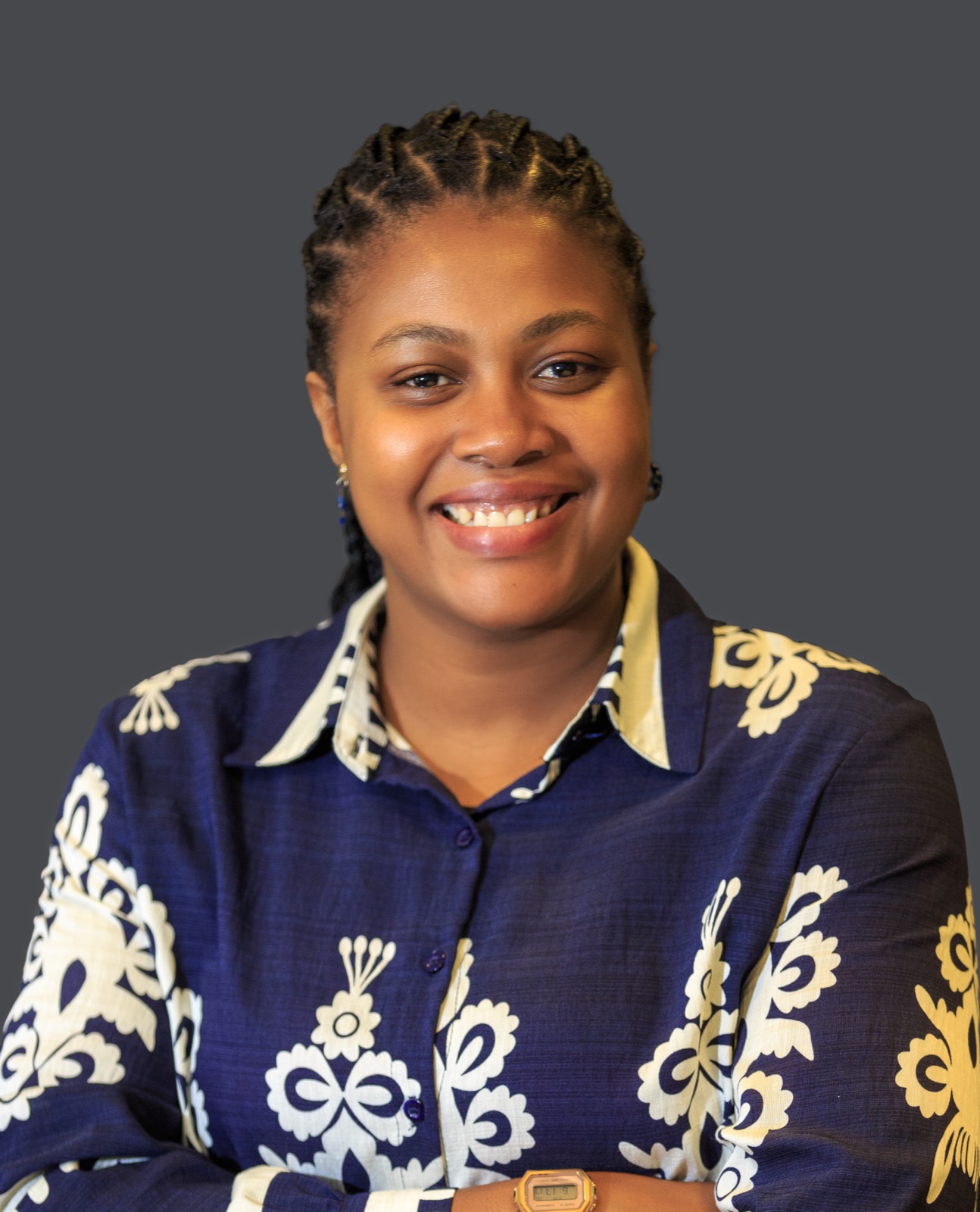 Sesneica Fernandes
Mozambique · Ministry of Mineral Resources and Energy
Sesneica Fernandes is a CoAction Global Mission 300 Fellow in Mozambique’s Ministry of Mineral Resources and Energy, focused on advancing sustainable and inclusive energy access. Applying her experience in public administration, and engagement with regional and international initiatives in energy regulation and digital governance, her role combines policy coordination, regulatory support, institutional development, and strategic planning.
Based within the ministry’s Integrated Electrification Planning and Coordination Unit, she supports the implementation monitoring, stakeholder engagement, and coordination processes linked to the operationalization of Mozambique’s National Energy Compact. She works in close coordination with government institutions, development partners and technical stakeholders, supporting the implementation of priority reforms related to energy access, electrification planning, clean cooking, private sector participation, and the strengthening of energy sector coordination. In parallel, she also provides legal and regulatory support to the National Directorate of Energy, particularly on energy sector regulation, institutional strengthening, and priority reform implementation.
Born and raised in São Tomé and Príncipe, in her previous role as President of the Board of Directors of the country’s General Regulatory Authority (AGER), Sesneica served as the chief executive of the regulatory authority responsible for overseeing the electricity, water, telecommunications, postal and radio spectrum sectors. In that and prior legal and regulatory positions at AGER, she contributed to regulatory reforms, licensing frameworks, consumer protection, market regulation, and sustainable infrastructure and governance.
Sesneica earned a law degree from Abdelmalek Essaâdi University in Tangier, Morocco, and completed postgraduate studies in law and legal practice, with a specialization in regulation and competition, at the University of Lisbon, in Portugal.
Sesneica is passionate about strengthening public institutions and advancing sustainable and inclusive development through policy reform, regional cooperation, and improved access to essential services across Africa.
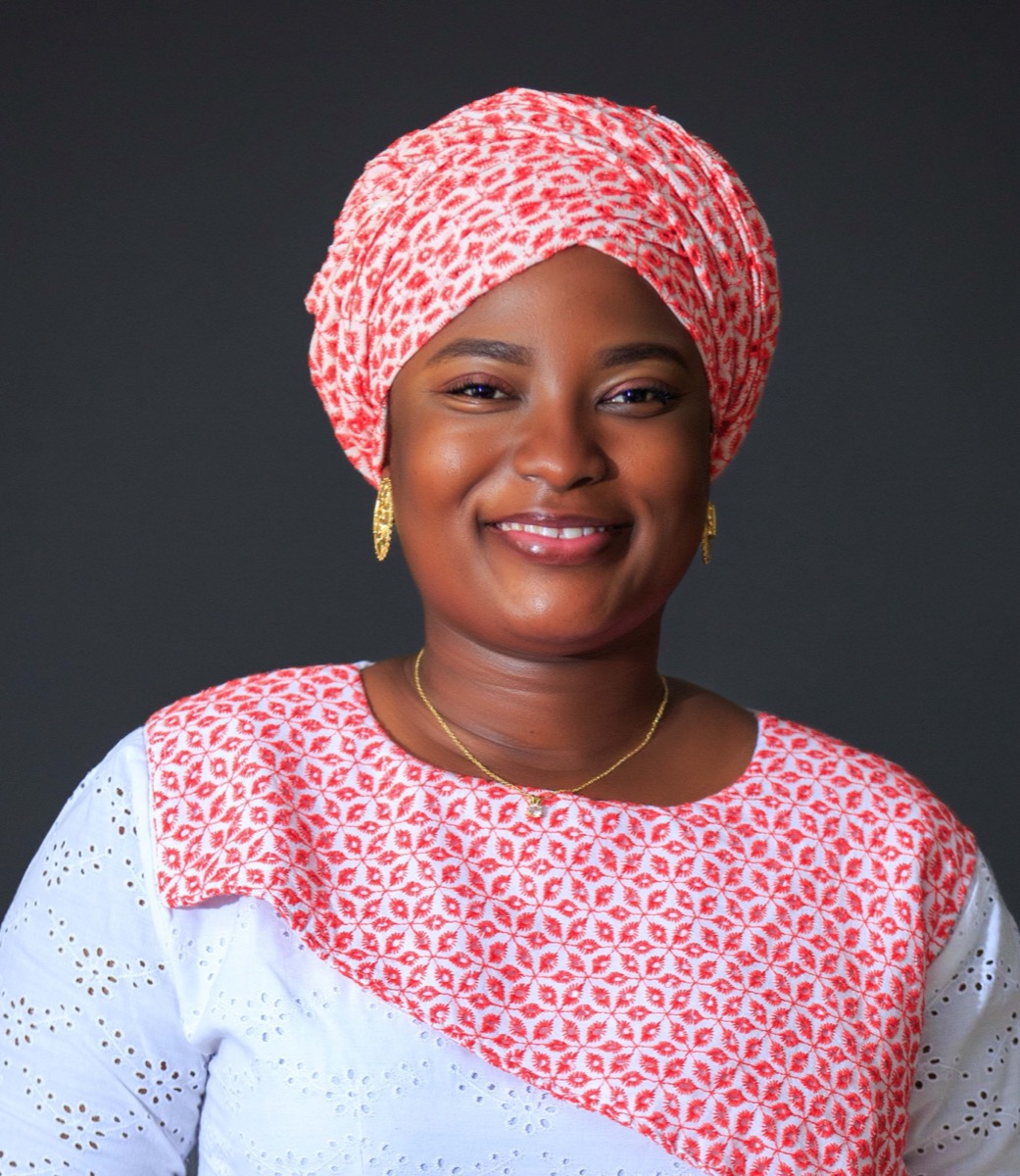 Sodiya Keïta
Niger · Ministry of Energy
Sodiya Keïta is a CoAction Global Mission 300 Fellow based in Niger, at the Ministry of Energy. As a Monitoring and Evaluation Specialist, she supports the Technical Monitoring Committee for the Energy Compact, under the supervision of the General Secretariat of the Ministry.
Originally from Mali and Burkina Faso, Sodiya previously worked as an Energy Consultant at the World Bank in Conakry, Guinea, where she was a member of the country office's energy team. She contributed to World Bank-financed projects including the Guinea-Mali Electrical Interconnection Project, a regional initiative under the West African Power Pool (WAPP) supporting grid integration, and the Guinea Electricity Access Scale-Up Project, a national project focused on expanding electricity access within Guinea. Her role involved research, project documents preparation, participation in supervision missions, and regular project monitoring.
Earlier in her career, Sodiya interned at the Mali office of United Nations Industrial Development Organization (UNIDO). She worked on multi-country projects aimed at phasing out hydrochlorofluorocarbons (HCFCs) in refrigeration equipment per the Montreal Protocol, and promoting energy efficiency in cooling appliances, while supporting the implementation of the Kigali Amendment, which phases down HFCs. She contributed to gender mainstreaming evaluations for UNIDO projects, assessing potential gender-related impact at the community or national level, and also took part in recruiting advocacy experts for projects.
She holds bachelor’s and master’s degrees in Electrical and Energy Engineering from the International Institute of Water and Environment Engineering (2iE Institute) in Ouagadougou, Burkina Faso. Her master’s research thesis focused on the durability of Lithium-Iron-Phosphate (LiFePO4) batteries under Sudano Sahelian climatic conditions. She also holds a certificate of Preparatory Classes for the Grandes Écoles from 2iE Institute.
Sodiya’s determination to make a positive impact on her community by providing sustainable energy solutions and promoting energy efficiency, thus improving the living conditions of thousands of people, is just one of the many reasons why she works in the energy sector. She is a native French speaker and fluent in English and Bambara, the most spoken language in Mali, which has helped her thrive in multicultural environments.
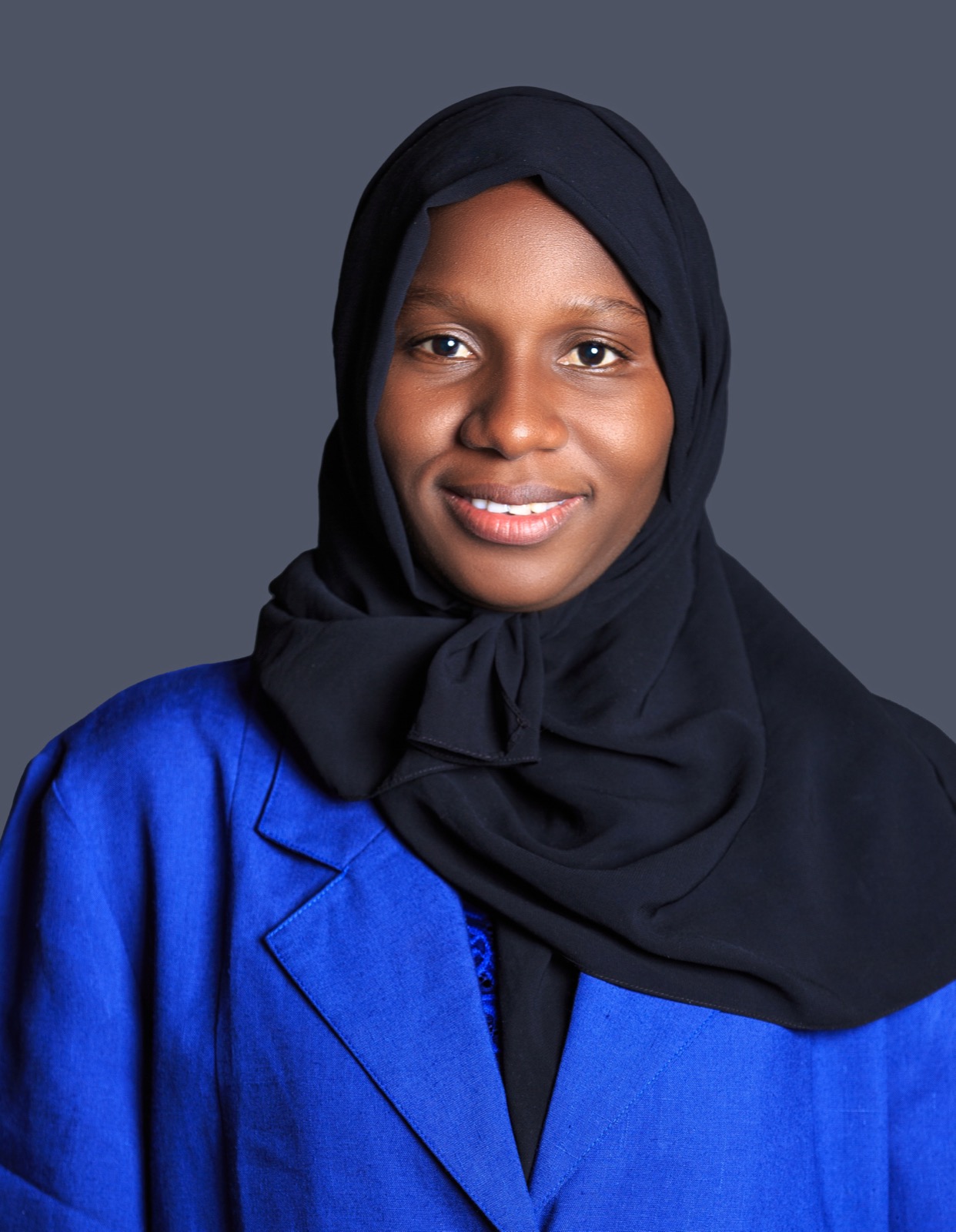 Safiatou Mariko
Mauritania · Ministry of Energy and Petroleum
Safiatou Mariko is a CoAction Global Mission 300 Fellow deployed to Mauritania's Ministry of Energy and Petroleum. Safiatou is an energy and climate professional with experience in sustainable energy access and bioenergy initiatives in her native Mali. Her work focuses on supporting policy-aligned programs, strengthening stakeholder coordination, and advancing evidence-based and gender-responsive approaches to clean cooking and energy access. She is passionate about promoting equitable and scalable clean cooking solutions that contribute to climate resilience, public health, and socioeconomic development across West Africa.
Previously, at clean energy company Jiri Services, Safiatou supported the implementation and distribution of clean cooking solutions, contributed to market development activities, and engaged with local stakeholders to strengthen adoption and last-mile delivery systems. She also collaborated with international development organization SNV Netherlands Development Organisation (SNV Mali), supporting clean cooking and energy access initiatives through market assessments, monitoring and evaluation activities, and stakeholder coordination.
Safiatou collaborated with the Malian Alliance for Clean Cookstoves, contributing to multi-stakeholder coordination and sector engagement to support Mali’s clean cooking transition. She also supported implementation and community engagement initiatives with YIRIMEX, a Malian private-sector company involved in energy and infrastructure-related activities, and Malifolk-Center, a Malian NGO that promotes renewable energy, climate resilience, sustainable natural resource management, and community-based development programs, contributing to value chain strengthening, behavior change campaigns, household energy audits, and evidence generation to support clean cooking adoption and sustained use.
Earlier in her career, she further contributed to government-aligned energy initiatives through her work with AMADER, the Malian agency for the development of domestic energy. She worked with ANADEB, the Malian agency for bioenergy development, on bioenergy and alternative fuel initiatives aimed at promoting sustainable household energy solutions and renewable energy development.
With a background in energy, engineering, thermal energy and climate change, Safiatou is committed to supporting inclusive clean cooking transitions and national energy access goals across Mali and West Africa. Safiatou earned her PhD in climate change and energy from the West African Science Service Centre on Climate Change and Adapted Land Use (WASCAL) at Abdou Moumouni University in Niamey, Niger; a bachelor’s and master's degree in thermal engineering and renewable energy from Abou Bekr Belkaid University in Tlemcen, Algeria; and a second master’s degree in energy engineering from the Pan African University for Water and Energy Sciences (PAUWES) in Tlemcen.
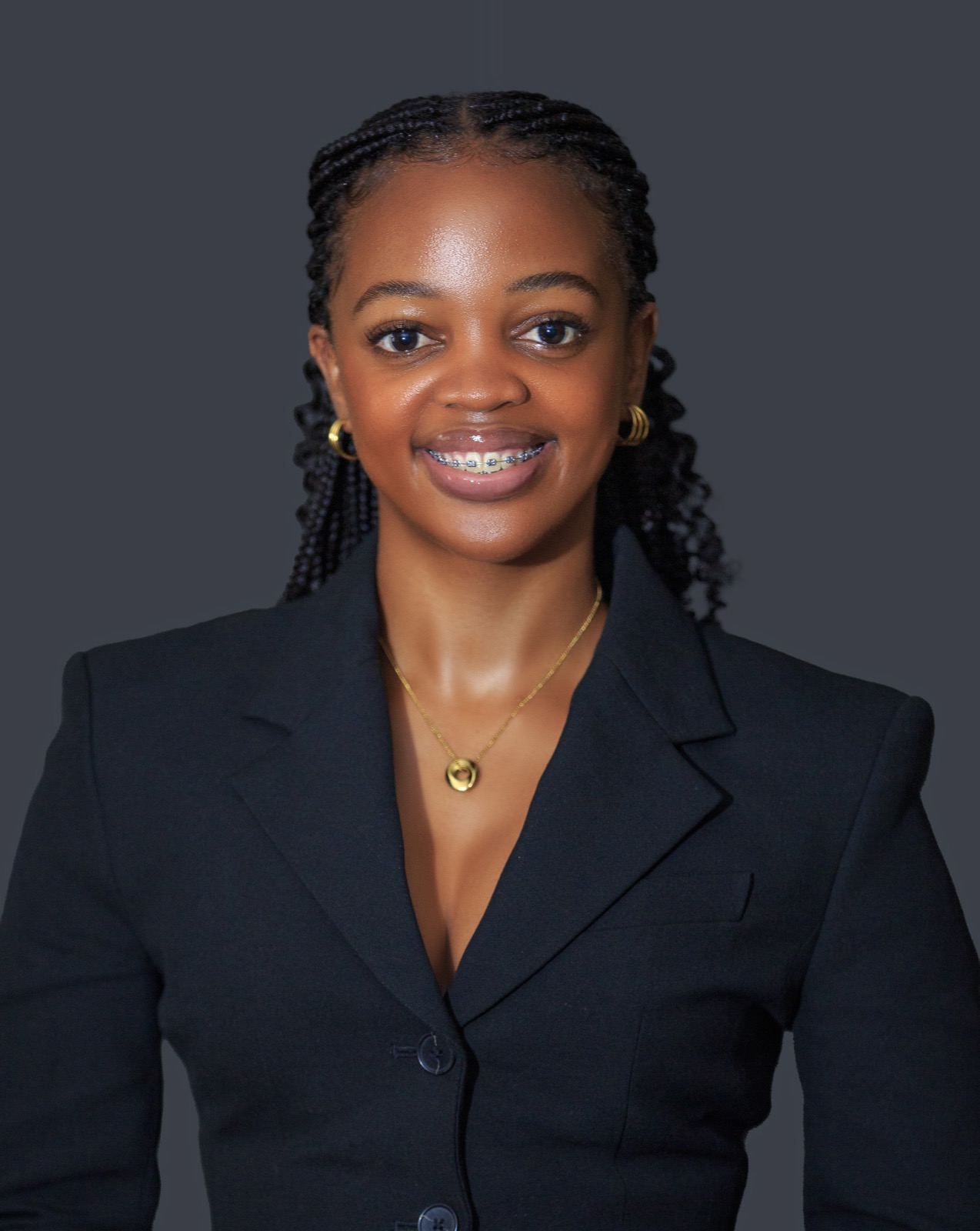 Sharon Matongo
Liberia · Ministry of Mines and Energy
Sharon Matongo is a CoAction Global Mission 300 Fellow deployed to Liberia’s Ministry of Mines and Energy. She works in the Compact Delivery and Monitoring Unit (CDMU) advancing Liberia’s National Energy Compact targets to electrify 75% of the population by 2030. Engaged in the development and implementation of national energy policies and strategies, she supports the cultivation of an enabling environment to attract private capital into Liberia’s energy sector.
In support of the advancement of electrification and clean cooking solutions, her role involves analysis of the legal and regulatory framework undergirding the energy sector, as well as the identification of opportunities to raise capital and establish partnerships with development finance institutions. She coordinates with energy sector stakeholders such as the Liberia Electricity Regulatory Commission, the Liberia Electricity Corporation, and the Rural and Renewable Energy Agency on the implementation and monitoring of reforms.
Originally from Zimbabwe, Sharon has built a career in legal advocacy, public policy and global affairs. She served as a Development Associate at the nonprofit MCW Global in New York, where she led fundraising efforts for projects in leadership, education, health, and economic security across the organization and its affiliates in Rwanda, Tanzania and Zambia.
Earlier in her career, Sharon served as a Legal Fellow at the European Center for Constitutional and Human Rights in Berlin. She worked on the Border Justice Team, holding European states accountable for human rights violations against asylum seekers and refugees, through cases before regional and international courts and adjudication bodies such as the European Court of Human Rights and the United Nations Human Rights Committee.
As a Legal Intern at the Legal Assistance Center in Windhoek, Namibia, Sharon contributed to pro bono public-interest litigation through cases before the High and Supreme Courts of Namibia, supporting efforts to hold government agencies accountable for medical negligence and violations of human rights and refugee law.
Sharon holds an LL.B. from the University of Namibia in Windhoek, Namibia, where she graduated top of her class with the Best Dissertation Award for her thesis, “Reconceptualizing the definition of a refugee to include ‘climate refugees’: A contemporaneous critique of the Refugee Convention in light of emerging threats.” She earned an LL.M. from Columbia Law School where she represented her graduating class as the commencement speaker.
Sharon co-founded Charity Drive Zimbabwe, a nonprofit working to increase the quality of education in rural schools. She was one of 12 young leaders selected into the inaugural cohort of the Kofi Annan Changemakers initiative, which honors the community development work of young leaders. The Kofi Annan Foundation awarded a seed grant to Charity Drive Zimbabwe to refurbish and install solar power at a rural school.
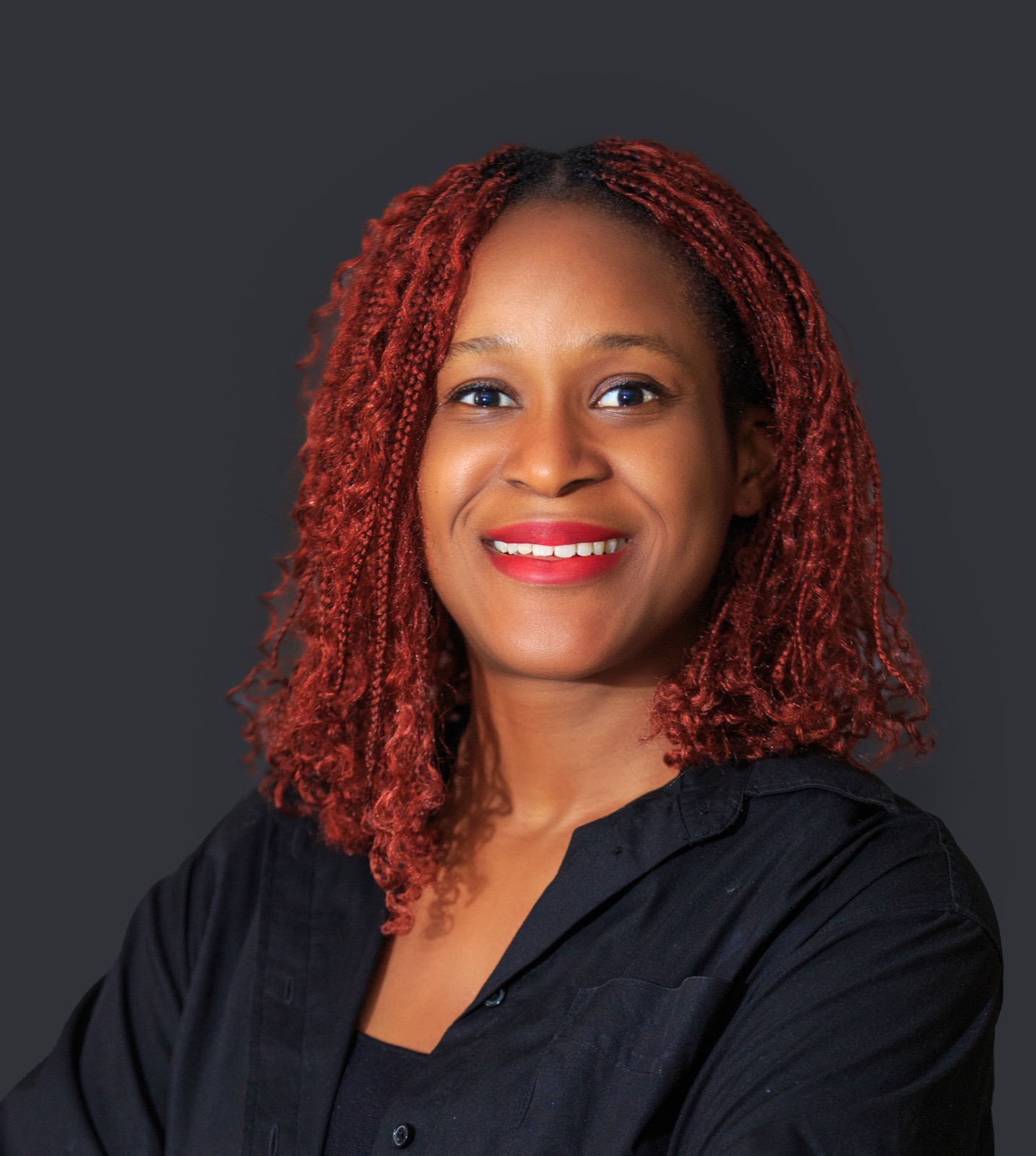 Chinenye Mbonu
Malawi · Ministry of Energy and Mining
Chinenye Mbonu is a CoAction Global Mission 300 Fellow deployed to Malawi’s Ministry of Energy and Mining. She coordinates the cross-sectoral delivery and implementation of the projects contained in the Malawian energy compact by facilitating connections between Mission 300 partners including the World Bank, the African Development Bank, Sustainable Energy for All, the Global Energy Alliance for People and Planet, and The Rockefeller Foundation.
As a Project Management Professional and an Energy Specialist, she conducts the financial and economic modeling of energy infrastructure projects, evaluating market risks, determining interconnection requirements, assessing the embodied carbon through lifecycle analysis, proposing tariff structures, and ensuring all-around long-term viability and sustainability within scope, schedule, and budget.
Chinenye was born in Anambra, Nigeria, grew up in Libreville, Gabon, and studied in Ghana and England. Previously Chinenye served as a Project Analyst for the City of Calgary, Canada, within the Business and Engineering unit. She led vendor and client coordination, ensuring utility, energy, and water projects were delivered within budget and on schedule. Earlier in her career, she served as a Project Engineer at Worley, the world’s largest provider of engineering, project and asset management solutions in the energy, chemicals and resources sectors. She interfaced with subject matter experts and service providers, efficiently tracking project progress, and coordinating multicultural interested parties in the global energy sector.
Chinenye holds a bachelor’s degree in Earth Science, graduating top of her class from the University of Ghana, Legon, with First Class Honors. She holds a master’s degree in Petroleum Geoscience from the Centre for Petroleum Geoscience in Nigeria, and a master’s degree in Energy Systems from the University of Oxford.
 Hope Miriti
Lesotho · Ministry of Energy
Hope Miriti is a Kenyan energy and infrastructure lawyer who is serving as a CoAction Global Mission 300 Fellow deployed to the Compact Delivery and Monitoring Unit within Lesotho’s Ministry of Energy.
Supporting the implementation of Lesotho’s National Energy Compact, Hope’s work focuses on translating policy commitments into measurable outcomes through institutional strengthening, delivery systems, investment mobilization and cross-sector coordination. Working at the intersection of government, development finance, and energy transition, she supports efforts to accelerate universal energy access while strengthening the foundations for sustainable sector reform.
Previously, Hope served as a Legal Officer at the Kenya National Highways Authority, where she advised on infrastructure financing, public-private partnerships, contract management and dispute resolution. She also worked as an Energy Analyst and Associate Research Fellow supporting energy access, investment and sector reform initiatives across the Horn of Africa, including contributions to Djibouti's Energy Access Gap Assessment, renewable energy investment studies and regional energy market initiatives supported by international development partners.
Hope is an Advocate of the High Court of Kenya and a member of the Law Society of Kenya. She holds a Bachelor of Laws degree from Strathmore University in Kenya, and a Postgraduate Diploma in Law from the Kenya School of Law. She is also an Alumni of the African Women in Energy Regulation Leadership Programme of the African School of Regulation, a flagship initiative developing the next generation of women leaders in energy regulation across the continent.
Having worked across East, Southern and the Horn of Africa, Hope is part of a new generation of Pan-African leaders committed to advancing Africa’s energy transformation from commitment to implementation. Her work is guided by a simple conviction: Africa’s defining challenge is no longer the absence of ambition, but the ability to translate ambition into measurable results through disciplined delivery, effective coordination and accountable leadership.
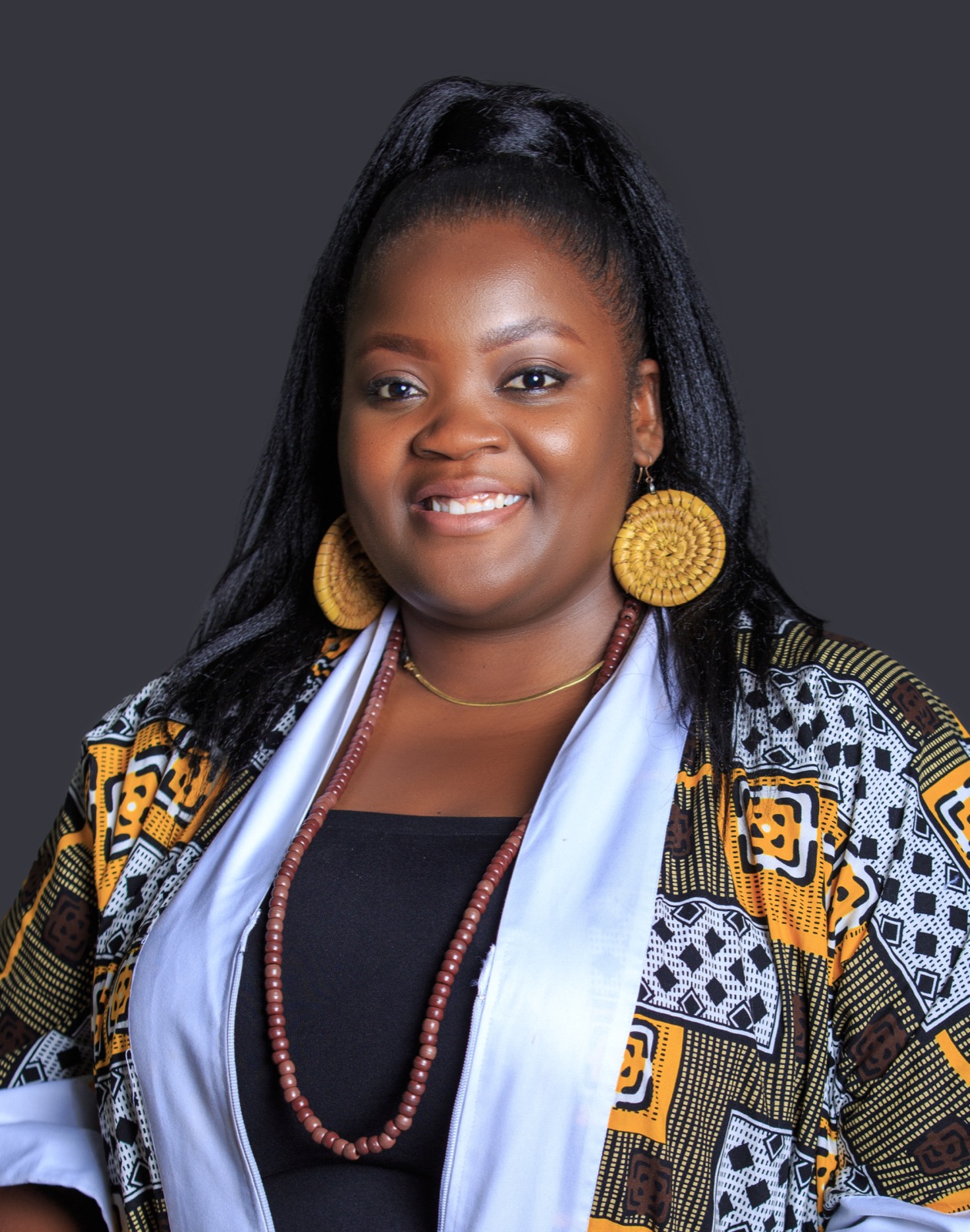 Ketshia Ngalula Aziza
Côte d’Ivoire · Ministry of Planning and Development
Ketshia Ngalula Aziza is an energy engineer and policy analyst specializing in clean cooking and energy access in Sub-Saharan Africa. She is deployed as a CoAction Global Mission 300 Fellow to Côte d'Ivoire’s Ministry of Planning and Development, to support the advancement of clean cooking initiatives and equitable energy access strategies.
Most recently, Aziza served as a Junior Lecturer and Teaching Assistant at the Faculty of Polytechnic at Kongo University in the Democratic Republic of Congo, where she taught sustainable energy systems and contributed to research on energy access solutions. She also worked as a Research Assistant at the Center for Research on the Congo-Kinshasa (CERERK) in the DRC, where she applied energy modelling tools to clean cooking research and policy.
Earlier in her career, she completed the NextGen Resource Governance Leaders Fellowship with the Africa Centre for Energy Policy, where she analyzed regional energy access policies and frameworks for scaling up clean cooking solutions across Africa.
Aziza holds a Master of Science in Energy Engineering from the Pan African University Institute of Water and Energy Sciences (PAUWES) in Algeria, and an Engineering Diploma in Electromechanical Engineering from Kongo University in the DRC. She completed the African Women in Energy Regulation Leadership Programme with the African School of Regulation in Ghana and holds a Certificate in Environmental, Social and Governance (ESG) Reporting from The ESG Institute on the Isle of Man. A dedicated advocate for gender inclusion and women’s leadership in STEM, she brings both technical depth and a commitment to equity to her work.
Born in Matadi, in the Kongo Central province of the Democratic Republic of the Congo, Aziza has lived and worked across the continent, from Algeria to Ghana to Kenya, and she looks forward to this chapter in Côte d’Ivoire.
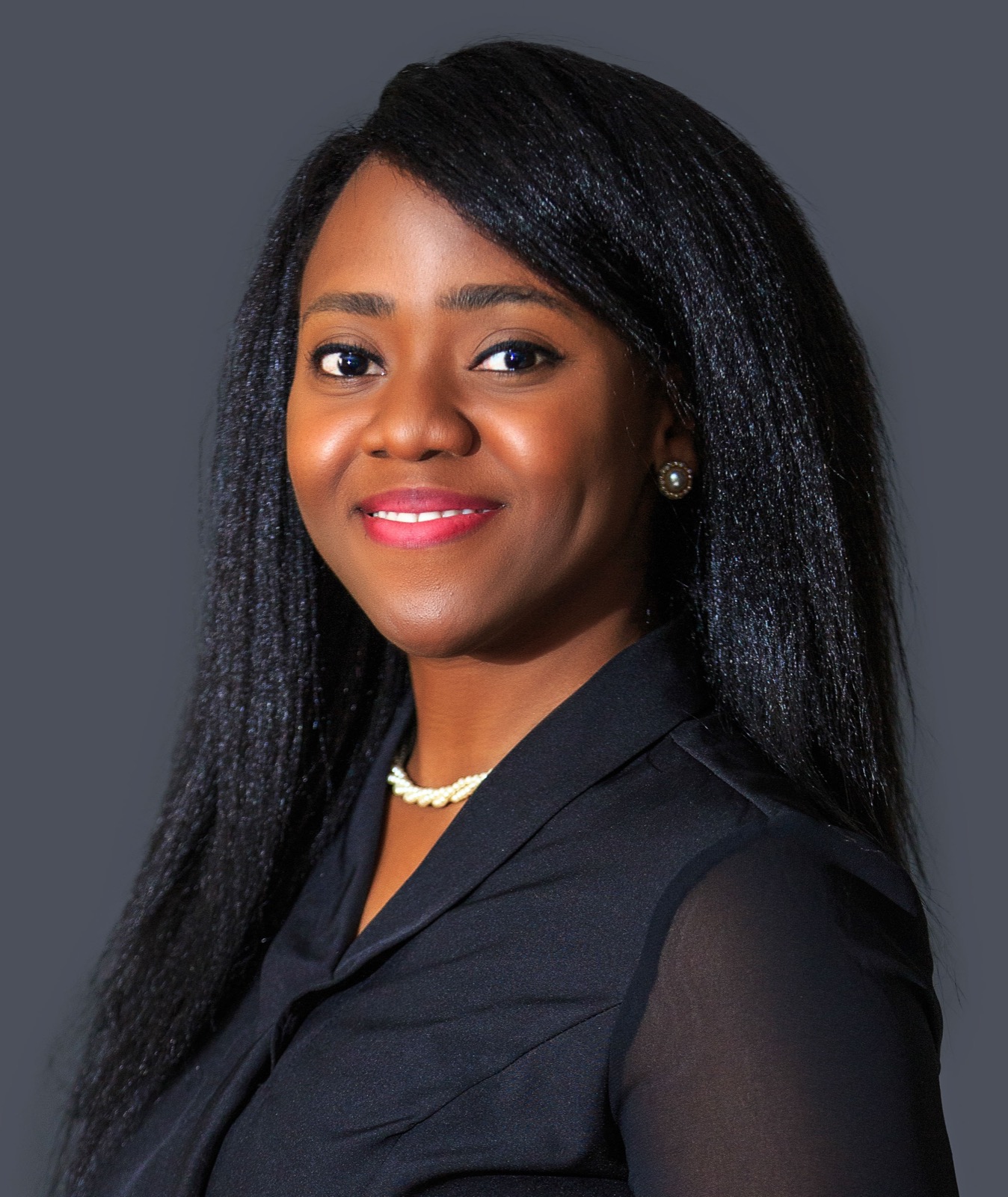 Elizabeth Obode
Sierra Leone · Ministry of Energy
Elizabeth Obode is a CoAction Global Mission 300 Fellow from Nigeria working in the Ministry of Energy in Sierra Leone. In this role, she supports the country’s Mission 300 implementation by coordinating priority energy projects, strengthening project monitoring systems, engaging government and development partners, and providing strategic input on energy access as a driver of industrial growth, productive use, and economic transformation.
Prior to this, Elizabeth worked across the Middle East and Africa as a Senior Strategy Consultant in energy, industry, and minerals at Oliver Wyman, a consulting firm; as an advisor on marginal field optimization with Broad Global Energy, an investment advisory firm; and as a Field Engineer with Schlumberger, an engineering company, where she led multiple offshore and onshore operations.
Elizabeth is a Future Energy Leader with the World Energy Council, a contributor to the BRICS Energy Outlook, and an author of several publications spanning mathematical modelling to policy perspectives in the energy sector. She believes that energy access is a fundamental right and wants to build systems that translate energy to progress.
Elizabeth holds a B.Sc. in Petroleum engineering from the University of Ibadan, Nigeria, and an M.S. in Chemical engineering from Texas A&M, Qatar.
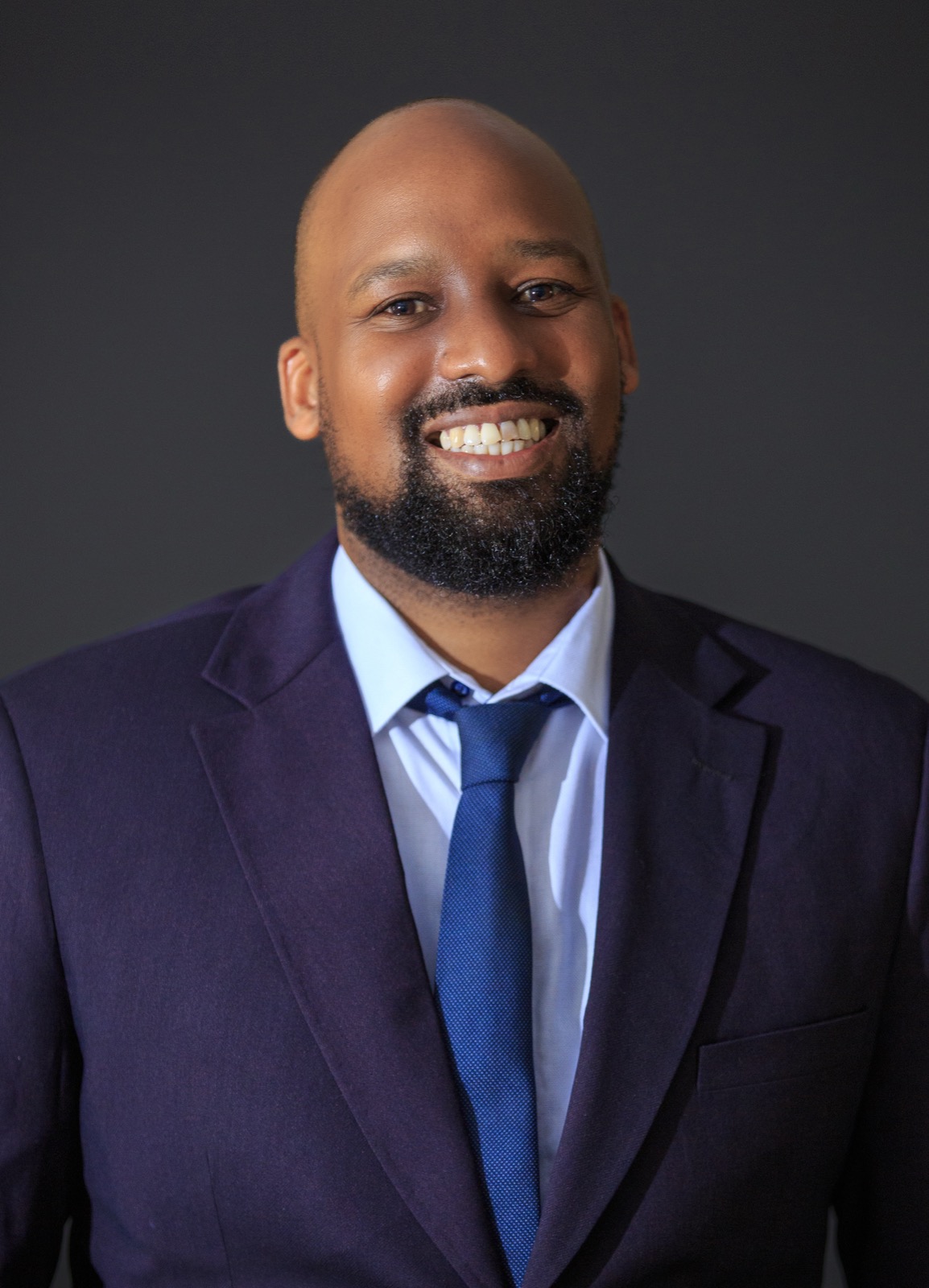 Andrew Orina
Nigeria · Rural Electrification Agency
Andrew Orina is a CoAction Global Mission 300 Fellow based at the Rural Electrification Agency in Abuja, Nigeria, where he supports the agency's work to advance renewable energy access across the country. His role falls within the Managing Director’s technical advisory team.
Andrew’s work focuses on strengthening donor partnerships, stakeholder engagement, and resource mobilization for renewable energy projects. He contributes to strategic planning and partnership development in support of Nigeria’s efforts to expand reliable and affordable electricity to underserved and unserved communities that remain outside reliable electricity access. In addition, he supports policy research, drafting, and analysis on renewable energy development and local clean energy production, with a particular interest in how Africa can build stronger domestic capacity within the clean energy transition.
Andrew has built a career at the intersection of climate policy, natural resource governance, community rights, and science-policy engagement in Africa. He previously served as Programs Manager at Friends of Lake Turkana, a grassroots environmental justice organization championing community rights, climate resilience, and accountable natural resource governance in Kenya’s drylands where he led high-impact advocacy on land rights, extractives governance, and community-centered development in northern Kenya. In this role, he helped secure multi-year funding for the organization’s programmes and operations, managed complex programmes and partnerships, and worked closely with communities, government actors, and civil society to advance environmental justice and inclusive development.
Andrew was born and raised in Nairobi, Kenya, with formative years also spent in Mombasa and Eldoret. He earned a bachelor’s degree in Forestry at the University of Eldoret. His professional foundation was built in Lodwar, Turkana County, where his work with communities shaped his understanding of the connections between environment, livelihoods, policy, energy, and justice. He later spent time in Abidjan, Côte d’Ivoire, where he pursued a master’s degree in Science-Policy-Practice Interfaces on Biodiversity and Ecosystem Services at Université Félix Houphouët-Boigny.
Andrew brings interdisciplinary expertise in climate policy, biodiversity and ecosystem governance, pastoral livelihoods, community land rights, science-policy engagement, and renewable energy access across Africa. He is committed to advancing an inclusive and resilient African development agenda – one that connects climate action, energy access, biodiversity, and community-centred policy.
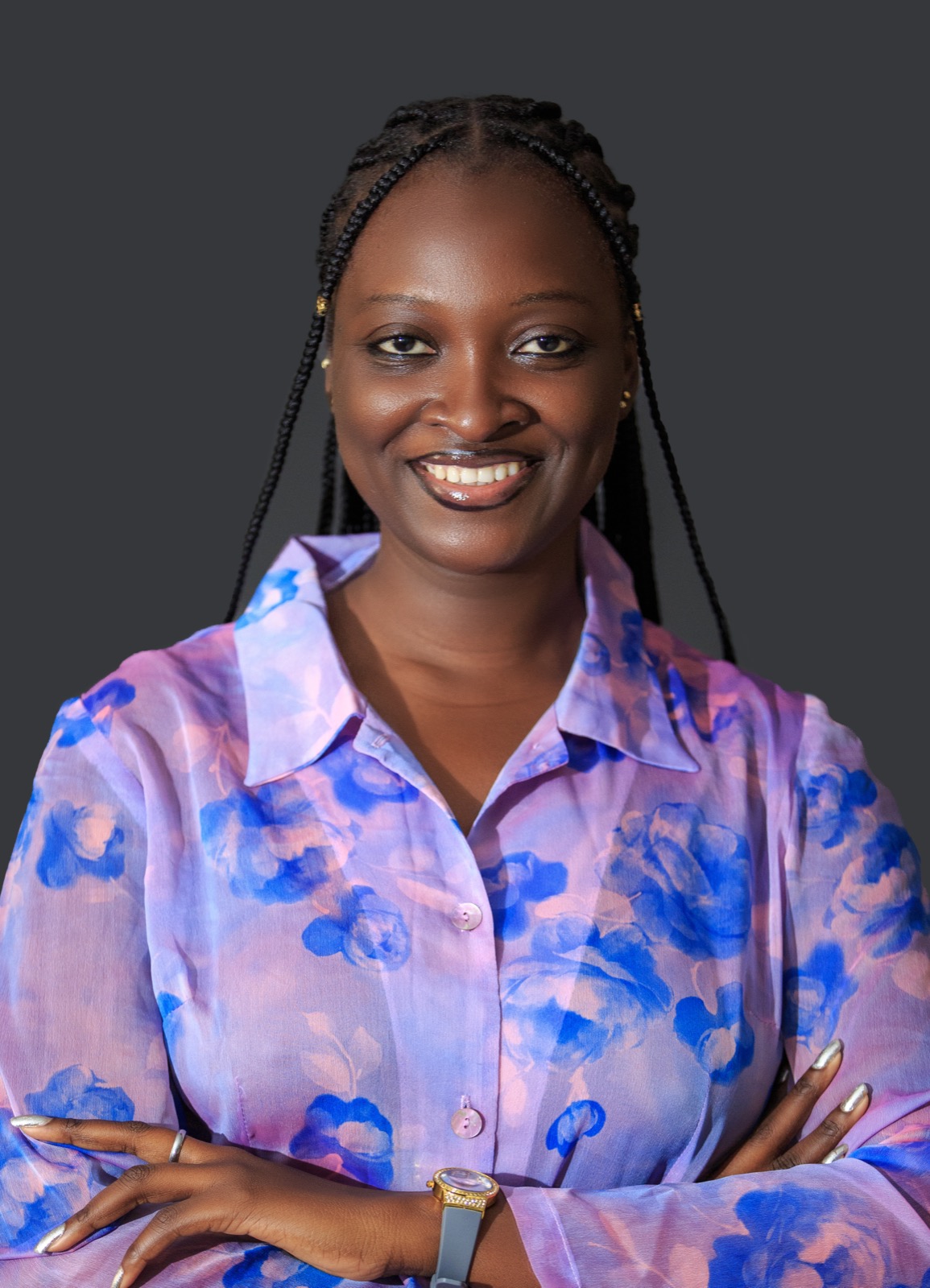 Bertille Charlotte Ouédraogo
Madagascar · Ministry of Energy and Hydrocarbons
Bertille Charlotte Ouédraogo is a CoAction Global Mission 300 Fellow in Madagascar. Originally from Bobo-Dioulasso, Burkina Faso, she brings a background in international law to her posting at Madagascar’s Ministry of Energy and Hydrocarbons’ Compact Delivery and Monitoring Unit.
Bertille delivers legal and regulatory expertise in support of Madagascar’s national energy access strategy. Her work spans the assessment of Madagascar’s electricity legal and regulatory framework, the development of regulatory instruments for clean cooking, and the operationalization of the National Sustainable Energy Fund, a financing structure she is supporting building from the ground up. She supports the mobilization of technical and financial partnerships by producing strategic documentation for high-level stakeholders, including for flagship initiatives such as the Accelerating Sustainable and Clean Energy Access Transformation (ASCENT) Madagascar program.
Prior to the fellowship, Bertille served as an Economic Affairs Officer at the World Trade Organization’s Agriculture and Commodities Division in Geneva, Switzerland. In that role, she conducted research and analysis on agricultural trade policy, market access, and trade-distorting measures to inform WTO negotiations and support member compliance assessments.
Earlier in her career, as a regulatory and compliance specialist, she helped launch Galyam, an AI-powered learning tool paired with a digital library designed to expand access to up-to-date educational resources for students in Burkina Faso, and contributed to the rollout of a mobile banking service in the country by dismantling legal and policy barriers to financial inclusion. She also served as a peer educator with the Burkinabè Association for Family Welfare (ABBEF), where she led reproductive health education programs.
Bertille holds a bachelor’s degree in public law from Université Nazi Boni in Bobo-Dioulasso, a master’s degree in international and European law from the University of Paris Nanterre, and an LL.M. in international trade and investment law from the University of Pretoria, South Africa. She is currently completing a Doctor of Laws (LL.D.) in mercantile law at the University of the Western Cape, South Africa, where her research examines the energy-trade nexus and interrogates how international trade frameworks address energy access for African countries. She is fluent in English and French, and conversant in Mooré and Dioula — languages spoken collectively by over 25 million people across Africa.
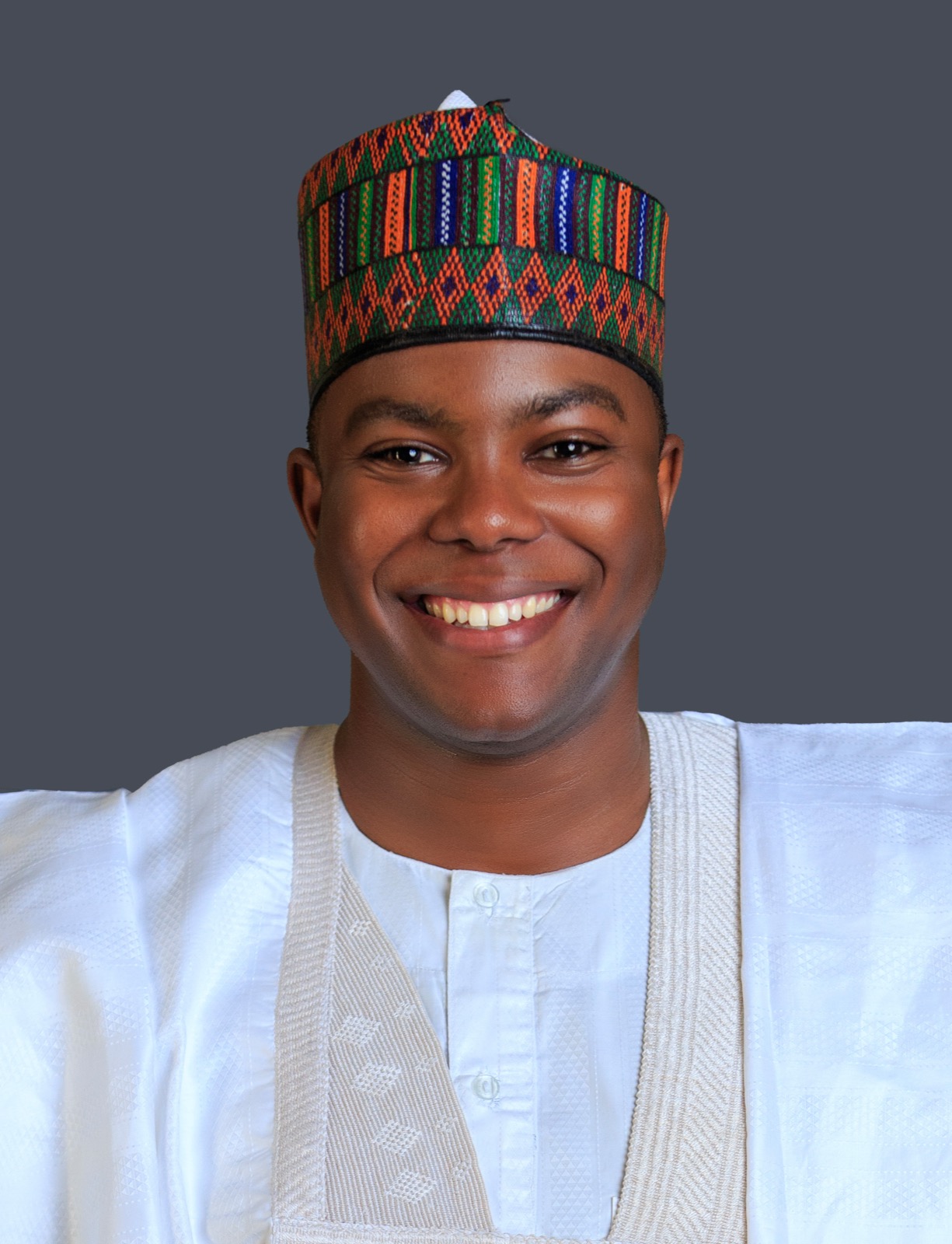 Modibbo Sadiq Ibrahim
Botswana · Ministry of Minerals and Energy
Modibbo Sadiq Ibrahim is a CoAction Global Mission 300 Fellow who will soon deploy to the Ministry of Minerals and Energy in Botswana. In this role, he will provide expertise to support the implementation of Botswana’s ambitious M300 National Energy Compact.
Prior to becoming a Fellow, Modibbo built a diverse career bridging the public and private sectors. His public sector service in his native Nigeria includes serving as a Technical Lead under the Senior Special Assistant to the President on Climate Technologies and Operations in Abuja. He remains a Scientific Officer on leave from the Nigeria Atomic Energy Commission’s International Cooperation and Liaison Department. He also has experience managing subnational climate projects, serving as Project Manager for Katsina State’s major Climate Change Risk and Vulnerability Assessment.
He has been involved in economic analysis, project management assessment, and carbon emissions accounting for Chinese new-build nuclear power plants, with support from the China National Nuclear Corporation. Modibbo has consulted for the UK’s Climate Compatible Growth (CCG) project, funded by the Foreign, Commonwealth & Development Office. In that role, he enhanced CCG’s Electricity Transition Playbook and supported the delivery of training at the 2025 Energy Modelling Platform for Latin America and the Caribbean.
Earlier in his career in the private sector, he leveraged his technology background into instructional design, shipping Science, Technology, Engineering, and Mathematics courses for the Nigerian education tech startup FlexiSAF and was eventually contracted by the global MOOC platform Alison Inc. for more expanded coverage of fields including maritime operations, finance, and marketing. Prior to this, he handled technical and operations workflow support for Nigeria’s Minister of Interior on the eCitiBiz flagship Enterprise Resource Planning platform which provided paperless services to the public.
Modibbo holds a professional engineering master's degree in energy and power from Tsinghua University along with a bachelor's degree in information systems from the American University of Nigeria. He is an active professional member of the Institute of Electrical and Electronics Engineers (IEEE) and the System Dynamics Society. Modibbo is a native speaker of English and West African languages Fulfulde and Hausa.
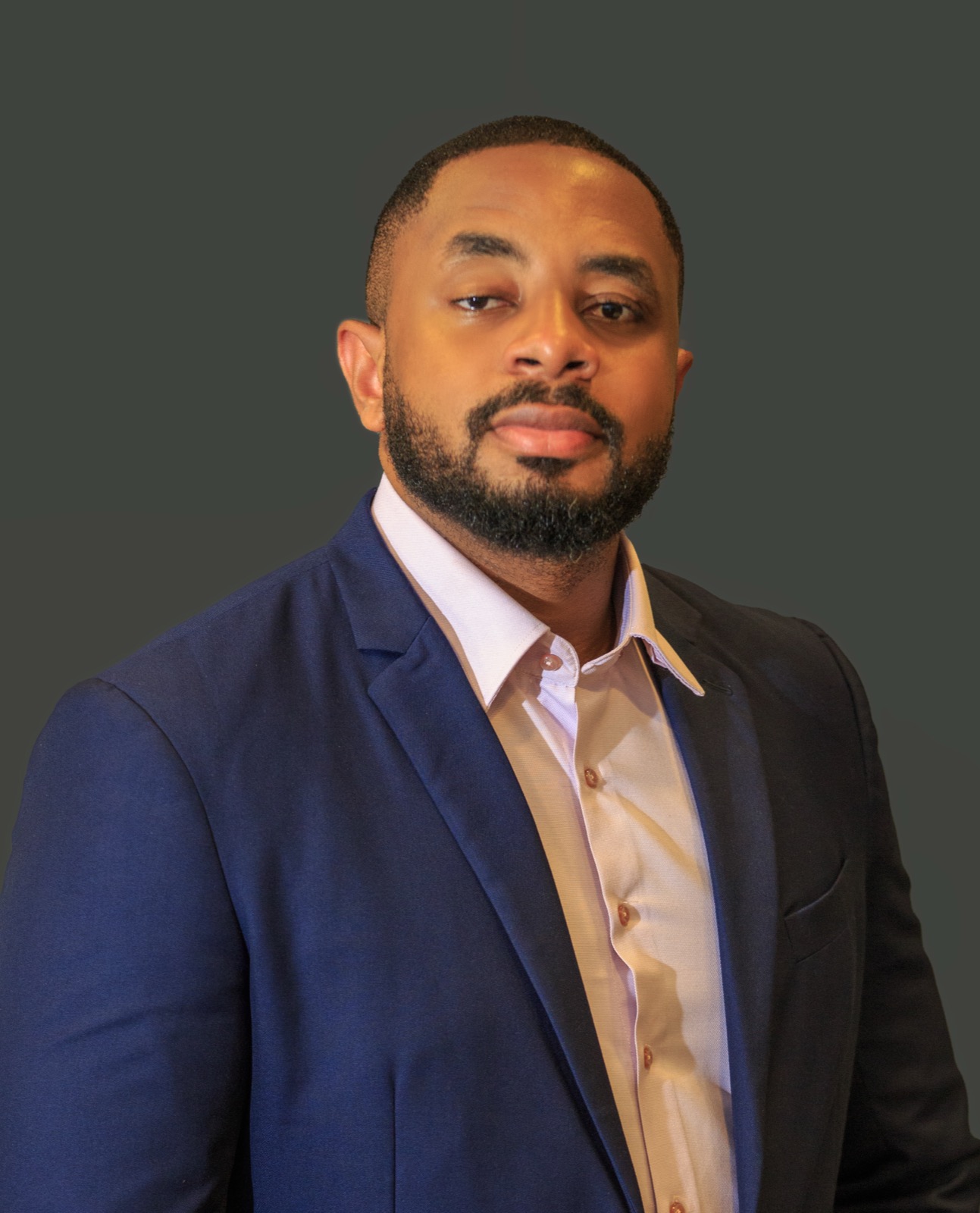 Robinson Tanyi
Mauritania · Ministry of Energy and Petroleum
Robinson Tanyi is a CoAction Global Mission 300 Fellow deployed to Mauritania. Originally from Kumba, Cameroon, Robinson supports Mauritania’s Ministry of Energy and Petroleum in identifying, monitoring and evaluating priority policy actions and focus areas advancing energy access, clean cooking, renewable energy integration and private sector capital mobilization. He also serves as a liaison between the government and development partners, supporting the tracking and reporting of progress on key projects and policy reforms.
Previously, Robinson served as a consultant with the United Nations High Commissioner for Refugees (UNHCR)’s Greening and Sustainability Team, where he managed global greenhouse gas (GHG) emissions accounting, energy and environmental assessments for over 500 offices under the “Greening the Blue” initiative. He developed and aligned GHG methodologies with international standards including the GHG Protocol, United Nations Framework Convention on Climate Change (UNFCCC) and the Intergovernmental Panel on Climate Change (IPCC), and delivered data-driven analysis that informed UNHCR’s decarbonization strategy, including solarizing operations and improving energy efficiency in generators and cooling systems.
Earlier in his career, he held program management roles at the United Nations Environment Programme (UNEP) and United Nations Human Settlements Programme (UN-HABITAT), working on various initiatives centered around climate change, sustainable development, marine litter and plastic pollution.
Robinson holds a master’s degree in renewable energy technologies from the Kwame Nkrumah University of Science and Technology (KNUST), in Ghana, and a bachelor’s degree in chemistry from the University of Buea, Cameroon. He was a recipient of the EU-AU Intra-Africa Mobility Scholarship Award and has research experience with publications in green hydrogen, solar and bioenergy systems in sub-Saharan Africa. Robinson is a member and alumnus of several internationally recognized leadership and youth-driven organizations, including Student Energy, Open Dreams, WYSE International, and the Enel Foundation’s Open Global Power, where he has further strengthened his leadership, sustainability, and global engagement skills.